
Students who kept quizzing themselves on what they had learned remembered about 80% a week later. When they stopped quizzing and just restudied, they remembered 36%.
Karpicke & Roediger, Science, 2008Ground school for airplane and helicopter pilots
Real proficiency.Real science.Real experience.
Most ground schools are built to get you past a test. This one teaches you to learn it right the first time and keep it: how memory works, how airlines train, taught by a current airline captain and check airman.
I fly
Founding pilots: the first 30 who answer a short questionnaire get 30% off. Claim a spot →
Photo: Ben CardonPhoto: Ben Cardon
The big idea
Stop cramming for the checkride. Train to be proficient.
For more than a hundred years, ground school has meant sitting in a classroom, reading the book and cramming for the test. Most of it still works the way it did in 1917. We rebuilt it around what learning research and airline training both show works: short practice, spaced over time, measured against the standard, with the goal set above it.
| The way it’s been done | The AviatorEDU way | |
|---|---|---|
| How you study | Long chapters and hours of video | Short lessons you read or listen to, like an audiobook |
| When you review | The week before the test | Right before you’d forget, scheduled for you |
| Finding weak spots | When the examiner finds them | Practice finds them first, and drills the answers you were sure of and got wrong |
| What your instructor knows | Whatever you tell them | Exactly what you’ve studied and where you’re weak, from one private link |
| Radio work | Learned live, on frequency | Practiced at home with ATC that talks back |
| The goal | Pass the test | Be proficient, so the checkride is just another flight |
The research behind it
Across 225 studies, students taught by lecture failed 33.8% of the time. Students who actively practiced failed 21.8% of the time.
Freeman et al., PNAS, 2014Urology residents who got a few questions by email every day held onto what they learned for months. Residents who got the same questions all at once forgot more over time.
Kerfoot et al., Journal of Urology, 2007For student pilots
Built for what actually keeps you up at night.
“What if I bust the checkride?”
Walk in knowing you’re ready.
Your Readiness Passport grades every subject Below, Meets or Exceeds Standards, the way the practical test does.
- Oral exam study guides with flashcards
- Three-minute drills on your weakest subjects
- Paced to your checkride date
“Every lesson costs a fortune.”
Spend your airplane time flying.
Show up knowing the material, and your instructor spends the hour on skills instead of teaching the book on the ramp.
- A private link shows your CFI where you stand
- Every lesson cites its FAA source
- Radio calls practiced before you key the mic
“I don’t have time to study.”
Learn in the minutes you already have.
Ten minutes in the truck or on a lunch break counts, because the app always knows the next best thing to do.
- Every course plays as an audiobook
- Flashcards and quick review on your phone
- Study with friends and compare scores
Your instructor
Taught by a working aviator, not just a pilot.
A pilot holds the certificate and flies the trip. An aviator has mastered the craft: knows the airplane, reads the weather, flies by feel and by the book, and does it well every time. That’s the name on the door, and the standard every course is built to.
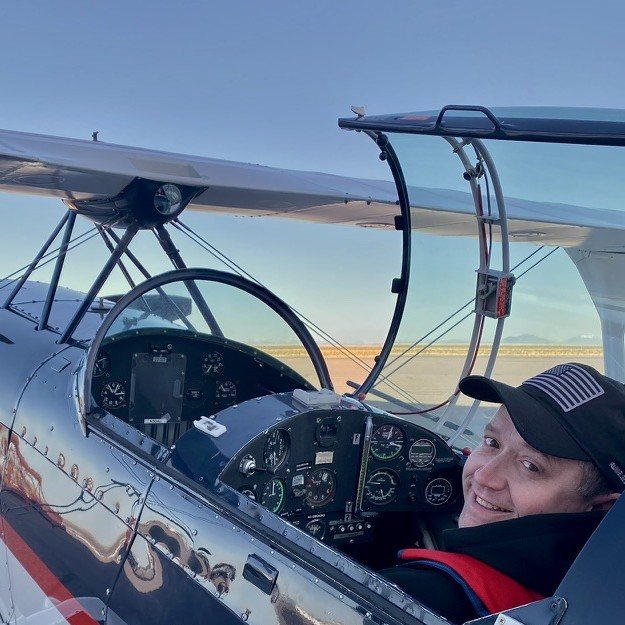
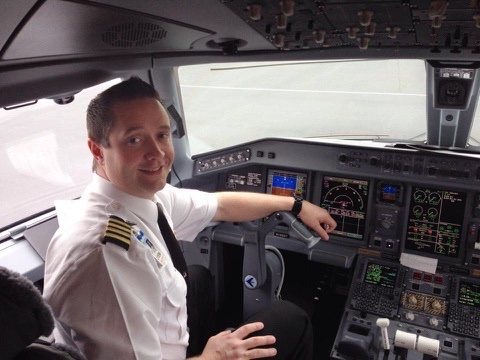
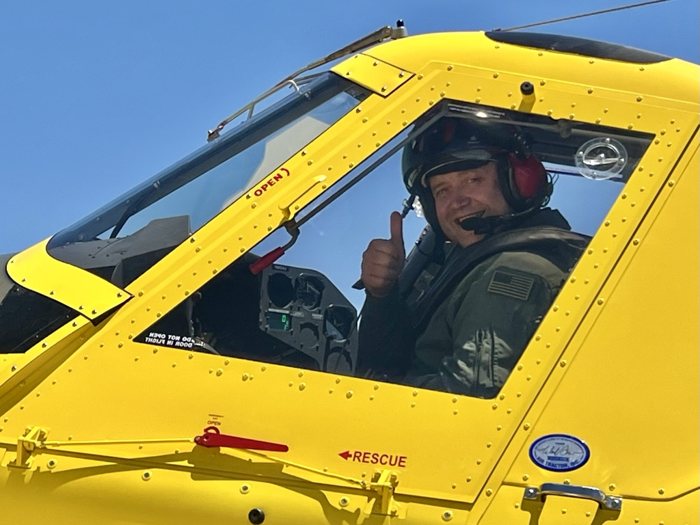
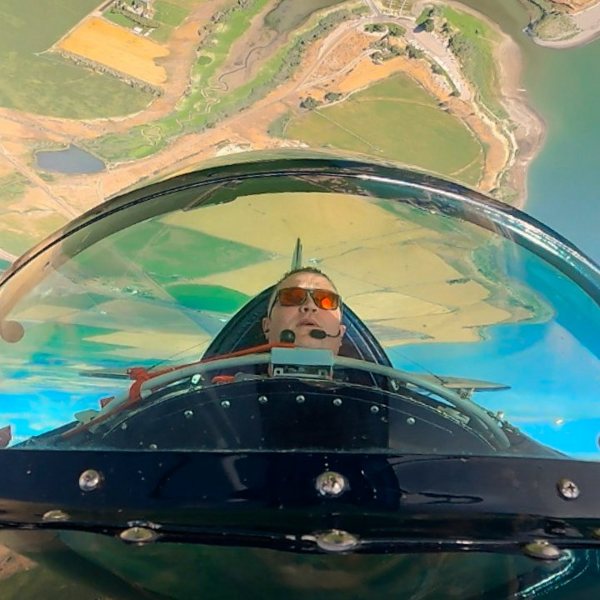
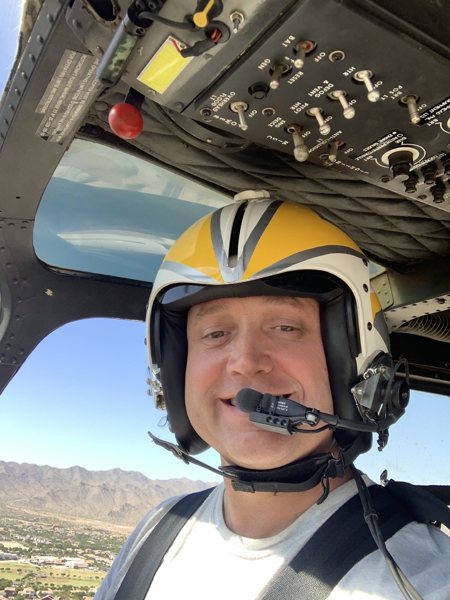
Ben Cardon is an ATP and CFII with about 17,000 hours, and a well-rounded aviator. He brings together three things most instructors have only one of.
The educationA Bachelor of Science in Aviation Science from Utah Valley University.
Stick and rudderAg airplanes and helicopters every season, plus aerobatics. Seat-of-the-pants flying built on core airmanship.
The airline wayA current Part 121 captain, line check airman and sim check airman. Twenty years of structured, safety-focused training and checking.
AviatorEDU puts all three into your training: the why behind it, the feel for the airplane, and the discipline airlines use to keep every flight safe.
17,000Hours
10,000+Hours instructing in Level D sims
20Years as an airline captain
B.S.Aviation Science, UVU
Not a student pilot?
Already certificatedFlight review and IPC prep, plus the recurrent safety courses: upset recovery, threat and error management, risk management.Stay Current →
Converting a paper logbookPhotograph your pages and AI reads them into My Logbook, then audits your times against Part 61.My Logbook →
Flight sim pilotThe ATC radio simulator, how an airplane flies, and the aircraft type courses.Sim Pilot →
Ag or firefightingOur sister schools for agricultural and aerial firefighting pilots.AgPilotEDU · TankerPilotEDU →
Pricing
An instructor in your pocket, for the price of two lessons.
A flight instructor runs about $150 an hour, and they don’t come home with you. A book or a video can’t tell you where to start, when to review what you just studied, for how long, or where to pick back up when you only have five minutes. AviatorEDU does, every time, built around what you know and what you’re forgetting. Study guidance made for you, not a book written for everyone.
~$150One hour with a flight instructor
$299Your whole private pilot ground school, yours to keep
24/7Nights, weekends, the truck, the break room
Founding pilots: the first 30 who answer a short questionnaire about pricing get 30% off when courses open. Answer the questionnaire →
See all plans
Your first lesson takes a few minutes.
Pick airplane or helicopter and start at the beginning.